Popcorn Ceiling Removal: A Homeowner’s Guide
Learn how to assess popcorn ceiling removal, understand safety and scope considerations, and choose a qualified local drywall contractor.
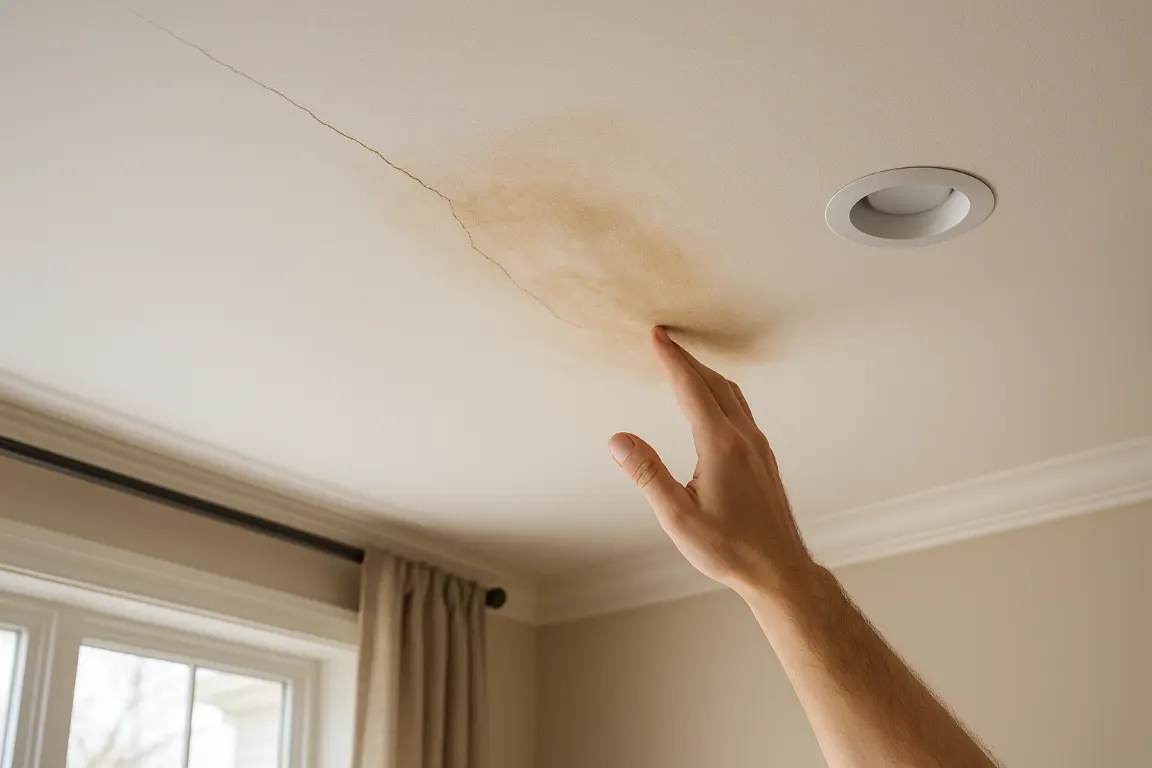
Learn how to assess popcorn ceiling removal, understand safety and scope considerations, and choose a qualified local drywall contractor.
Popcorn ceiling removal can give a room a brighter, cleaner, more contemporary presence. Yet ceiling removal calls for more than a scraper and a free weekend: assess the ceiling’s condition, consider the finish you want, and arrange testing for asbestos or lead when appropriate, particularly in older homes with original popcorn ceiling texture.
Before choosing DIY popcorn removal or a licensed contractor, understand the scope of the removal. A professional can provide a clear quote, determine whether licensed asbestos removal or asbestos abatement is required, and guide the transformation of dated popcorn ceilings into a polished, durable smooth ceiling.
Popcorn ceiling removal can modernize a room, but the best approach depends on the ceiling’s age, condition, and finish goals. Test older materials for asbestos or lead before disturbing them, then weigh removal against installing new drywall. Professional work includes containment, careful scraping, drywall repairs, skim coating, priming, and painting. Compare quotes by scope, not price alone, to ensure a smooth, durable result.
Popcorn ceilings can leave even a meticulously maintained room feeling dated. They also trap dust and complicate repairs after a leak. Yet popcorn ceiling removal is not a one-size-fits-all project. Before deciding on popcorn removal or ceiling removal, it is important to understand the ceiling material, the strength of its bond, and whether the existing drywall can support the finish you envision. At MrWalls Drywall & Painting, we assess the surface, its condition, and the scope required to deliver a truly finished result, not a ceiling that merely looks stripped.
For many homes, removal is the right path. The popcorn texture can be softened, scraped, repaired, skim-coated, sanded, primed, and painted into a clean, smooth ceiling. The result is a more current, refined look, though the process can reveal seam failures, old patches, or uneven framing that call for skilled drywall finishing. When a popcorn ceiling has been painted repeatedly, is extensively damaged, or should not be disturbed before testing, installing new drywall may offer a cleaner, more predictable solution.
Age matters as well. Popcorn installed in older homes may require asbestos testing before any removal begins. This step should never be rushed or overlooked, as it defines the safe scope of work. If asbestos is present, asbestos abatement or asbestos removal should be performed by a licensed asbestos professional or licensed contractor. A professional evaluation can also uncover water damage, loose texture, staining, and prior repairs that may influence the final finish.
The right choice balances appearance, budget, timeline, and ceiling condition. Whether you choose full popcorn ceiling removal or a new drywall surface, the objective remains the same: a flat, durable ceiling ready for a polished paint finish. Contact us for a clear quote and practical guidance on the best path forward.
| Consideration | Removal and Smooth Finish | New Drywall Covering |
|---|---|---|
| Ceiling condition | Best suited to ceilings where the texture can be softened, scraped, repaired, and refinished. | May be preferable when the existing popcorn ceiling is especially damaged. |
| Painted texture | Repeated paint layers can make removal more challenging. | Can be a cleaner option when the popcorn texture has been painted repeatedly. |
| Potential underlying repairs | Can reveal seam issues, patches, and uneven framing that require skilled drywall finishing. | Provides a new surface over the existing ceiling texture. |
| Testing needs | Older popcorn ceilings may require asbestos testing before removal begins. | May be considered when materials should not be disturbed without testing. |
| Finish outcome | Creates the most contemporary result: a clean, smooth ceiling ready for primer and paint. | Creates a flat, durable new ceiling surface prepared for a polished paint finish. |
| Project predictability | Final results depend on the condition of the drywall and any issues uncovered after texture removal. | Can be the more predictable option for painted, damaged, or difficult-to-disturb ceilings. |
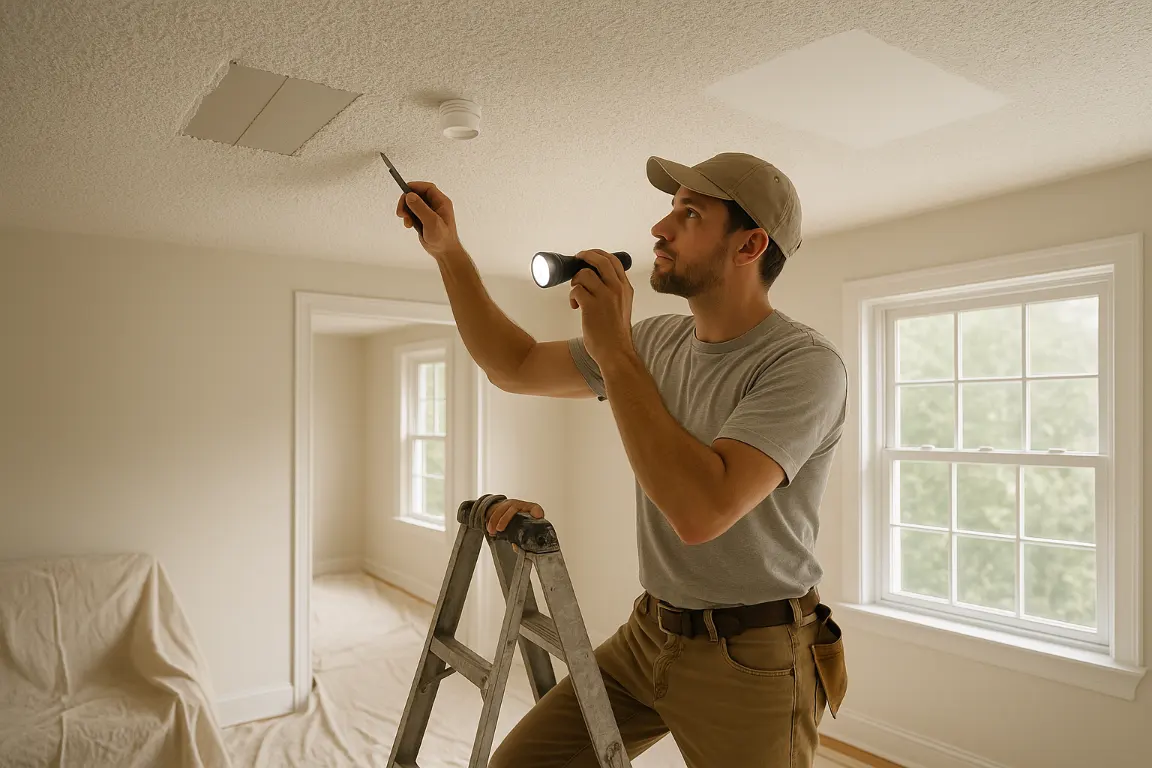
Before ceiling removal begins, it is essential to understand exactly what lies overhead, particularly in older homes. Popcorn texture, joint compound, ceiling coatings, adhesives, and adjacent insulation may contain asbestos. Painted surfaces in homes built before 1978 may also contain lead. When left undisturbed, these materials are generally manageable; scraping, sanding, cutting, or demolition, however, can release dust that requires disciplined handling.
MrWalls Drywall & Painting recommends appropriate testing whenever a popcorn ceiling, popcorn ceilings, or other ceiling materials have an uncertain age or history. A qualified professional can collect samples safely and submit them to an accredited laboratory, providing clear answers before popcorn ceiling removal, popcorn removal, or any other removal is scheduled. It is a straightforward precaution that can prevent costly delays, protect occupied areas, and define the project scope before you request a quote.
If asbestos is identified, the work should not proceed as a standard renovation. Based on the material, its condition, and local requirements, asbestos removal may need to be completed by a licensed asbestos professional or licensed contractor. Proper asbestos abatement involves containment, controlled removal methods, appropriate disposal procedures, and clearance practices designed to keep fibers from traveling through the home.
Once testing confirms the ceiling can be safely addressed, our team can develop a careful removal plan, complete surface repair, and prepare a smooth ceiling for primer and paint. It is a measured approach that safeguards your home and gives the renovation a confident foundation from the start.
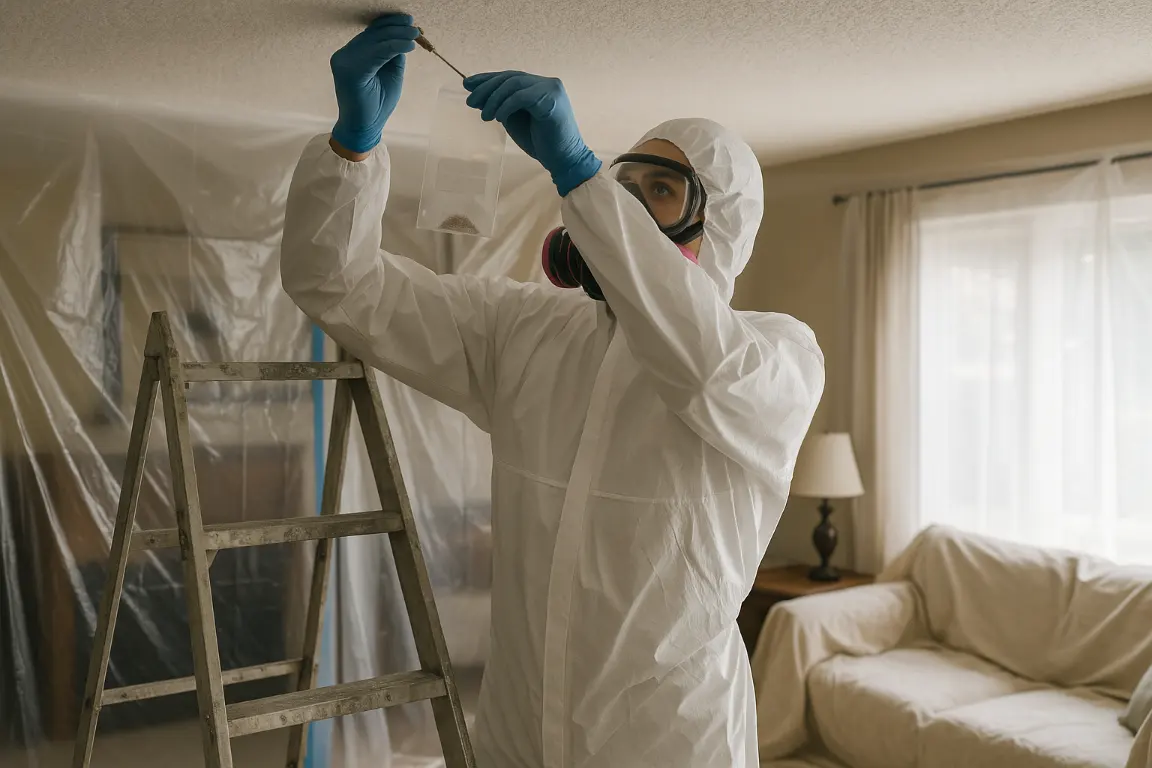
Professional popcorn removal involves far more than scraping away texture and adding a fresh coat of paint. It is a careful ceiling restoration process that protects your home, establishes a clean foundation for your preferred finish, and avoids the problems often caused by rushed work. At MrWalls Drywall & Painting, popcorn ceiling removal begins with a thorough assessment of the existing popcorn ceiling, its condition, repair needs, room access, and the age of the home. Older popcorn ceilings may require testing before removal begins. If testing identifies asbestos, a licensed asbestos professional can determine whether asbestos abatement or asbestos removal is needed.
Once the scope is established, the room is prepared with care. Floors, furnishings, walls, vents, and fixed features are protected, while containment and dust-control measures help keep the work area orderly. The texture is softened and removed in controlled sections rather than aggressively dry-scraped, a method that can damage the drywall beneath. This phase of ceiling removal can reveal conditions concealed by the original finish, including loose tape, nail pops, aging patches, cracks, water stains, or uneven seams.
Every issue is addressed before the new finish is applied. Skilled drywall repair, taping, skimming, sanding, and priming create the refined, even surface that allows the final paint to look its best. Depending on the ceiling and your preferences, popcorn ceiling removal may be followed by a smooth ceiling with a level-five-style finish or a subtle, updated texture. For work involving regulated materials, homeowners should confirm that the appropriate licensed contractor is handling the project.
The distinction lies in the preparation and finish work. A thoughtfully planned popcorn removal project gives equal attention to what is beneath the texture and what is visible from below. The result is a brighter, more current room, ready for its next chapter. Request a quote to discuss the right removal approach for your home.
Popcorn ceiling removal often brings a room’s true condition into focus. Once the texture is down, MrWalls Drywall & Painting can assess the ceiling as it is, not as it looked beneath years of sprayed-on material. Small cracks, failed tape joints, dated patchwork, nail pops, water stains, and uneven transitions may suddenly be visible. This is particularly common in older homes, where popcorn ceilings were often used to disguise imperfect drywall finishing.
A professional ceiling removal process creates the opportunity to correct these concerns before painting begins. Loose joint compound is removed, seams are retaped where needed, damaged areas are repaired, and the surface is skimmed to achieve a consistent plane. If prior moisture has affected the drywall, its source should be corrected first. Softened or stained material can then be evaluated for repair or replacement. If asbestos is suspected, testing should precede popcorn removal. Any required asbestos abatement or asbestos removal should be handled by a licensed asbestos professional or licensed contractor. Painting over underlying issues may conceal them for a time, but it cannot deliver a clean, durable finish.
The objective is more than texture removal. It is a smooth ceiling that feels considered in every light, from daytime window glare to recessed fixtures after dark. Some popcorn ceilings require only minor touch-ups after removal; others benefit from more extensive refinishing to blend repairs across the room. MrWalls Drywall & Painting explains what your ceiling needs before work proceeds, so you can request a clear quote with no surprises between the first scrape and the final coat of paint. Careful preparation transforms a popcorn ceiling into a refined, finished surface rather than a newly exposed problem.
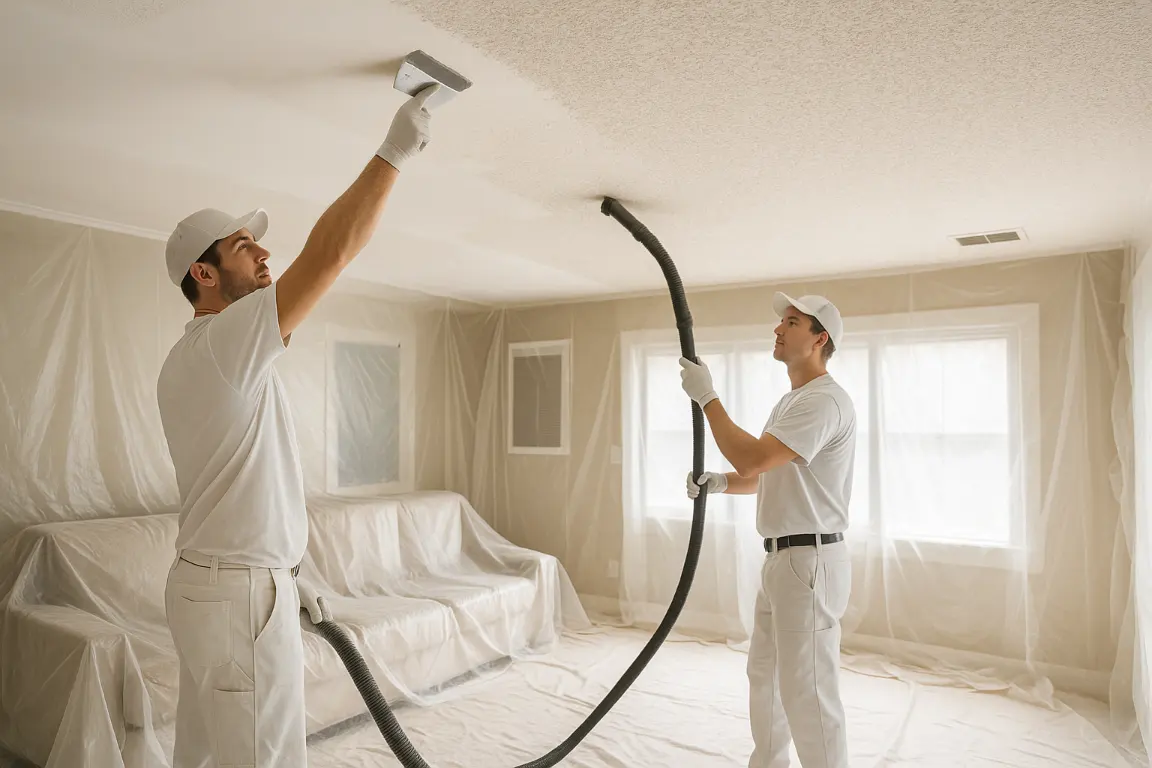
Popcorn ceiling removal may appear to be a straightforward weekend project, but the right approach depends on the ceiling’s age, condition, height, and what lies beneath the textured finish. A small, newer room with intact drywall may be appropriate for careful DIY work. Larger spaces, damaged surfaces, vaulted ceilings, or popcorn ceilings finished before the mid-1980s call for a more measured plan. Before ceiling removal or popcorn removal begins, have older texture tested for asbestos by a qualified professional. If asbestos is present, licensed asbestos abatement or asbestos removal is essential. Disturbing suspect material without proper containment and disposal can introduce significant health and cleanup concerns.
DIY costs can seem lower initially, yet the work extends well beyond wetting and scraping. Floors, walls, fixtures, and HVAC returns require meticulous protection. After the texture is removed, exposed drywall may need repair, skim coating, sanding, priming, and repainting to create a truly smooth ceiling. Gouges, loose tape, water stains, and uneven seams can quickly transform a modest removal project into a more involved finishing process.
For many homeowners, a licensed contractor offers clearer accountability and a more predictable result. Request a written quote that outlines preparation, containment, texture removal, drywall repairs, finishing level, primer and paint, debris removal, and any exclusions. The quote should also confirm whether asbestos testing is required before work can be scheduled. At MrWalls Drywall & Painting, we assess the full surface, not simply the popcorn texture, so homeowners understand the ceiling’s condition and the work required to restore it properly. Comparing quotes by scope, rather than price alone, helps prevent unwelcome changes once work is underway.
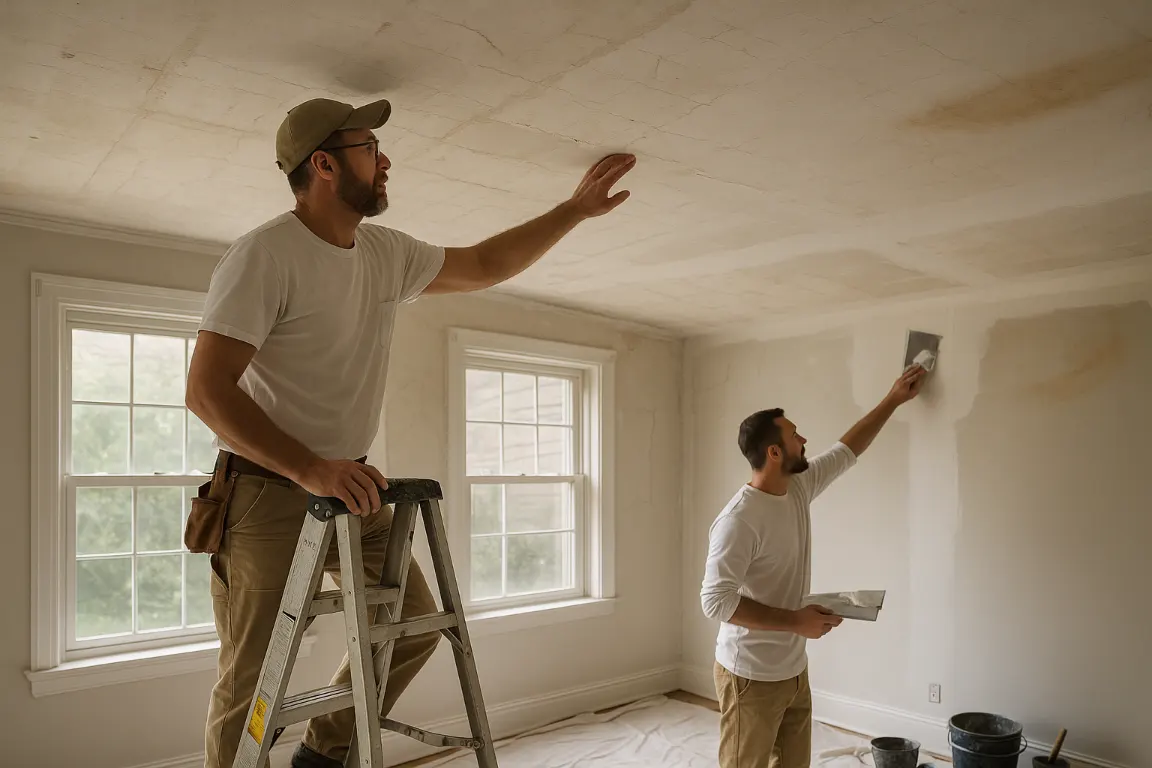
A refined ceiling project begins long before the first sheet is hung or the first coat is sanded. Consider the character you want the finished surface to bring to the room, particularly where new drywall meets older walls, repaired sections or existing texture. A smooth ceiling can lend a space a brighter, more contemporary feel, but it also demands meticulous preparation, controlled lighting and skilled finishing. MrWalls Drywall & Painting helps homeowners align their design vision with the condition of the space, the age of the home and the true scope of the work.
If you are considering popcorn ceiling removal, ask how the material will be assessed before ceiling removal begins, especially in older homes. Popcorn ceilings may require testing for asbestos before any removal or popcorn removal work moves forward. If asbestos is present, asbestos abatement and asbestos removal should be completed by a licensed asbestos professional or licensed contractor. Ask how dust, furnishings, flooring and HVAC openings will be protected throughout the project. Thoughtful containment, orderly work areas and a daily cleanup plan are every bit as important as the final skim coat. Popcorn ceiling removal can also uncover cracks, uneven framing or earlier patches that deserve attention before refinishing.
When requesting a quote, look beyond the bottom-line figure. A well-prepared proposal should clearly define the preparation included, the intended finish level, covered repairs, protection measures, priming and painting, and the process for addressing unforeseen conditions. Ask who will perform the work, how long it is expected to take and what the team will need from you before arrival. Clear, direct answers establish confidence from the outset and help deliver a finish that feels thoughtful, durable and naturally at home within the rest of your interior.
Removal can modernize a room, reduce a dust-catching surface, and make ceiling repairs easier to address. It is often worthwhile when the drywall beneath is in good condition or when you want a smooth, painted finish. A professional assessment helps compare removal with covering the ceiling with new drywall.
Yes, testing is recommended when the ceiling’s age or material history is uncertain, especially in older homes. Popcorn texture and related materials can contain asbestos. Scraping or sanding suspect material may release dust, so testing should happen before scheduling standard removal work.
It can, but painted texture is often more difficult to soften and scrape cleanly. Multiple paint coats may increase labor and raise the risk of damaging the drywall below. In some cases, installing new drywall over the existing ceiling is a cleaner, more predictable solution.
Removal may expose cracks, loose tape, nail pops, old patches, water stains, and uneven seams. The ceiling may need drywall repair, taping, skim coating, sanding, primer, and paint before it looks smooth and consistent under natural or recessed lighting.
A small, newer ceiling with confirmed safe materials may be manageable for an experienced homeowner. However, older ceilings, high rooms, water damage, unknown materials, and extensive repairs call for professional evaluation. Proper protection for floors, furnishings, walls, and HVAC openings is essential.
A detailed quote should identify surface preparation, containment, texture removal, drywall repairs, the planned finish level, primer and paint, cleanup, debris removal, and exclusions. It should also explain how hidden damage or required material testing will be handled.
Yes, but the source of moisture should be repaired first. Once the leak is resolved, damaged drywall, loose material, staining, and affected seams can be evaluated for repair or replacement before the ceiling is refinished and painted.