Ceiling Repair by MrWalls Drywall & Painting
Get clear ceiling repair guidance for cracks, holes, stains, and damaged drywall. MrWalls Drywall & Painting delivers careful repairs and clean results.
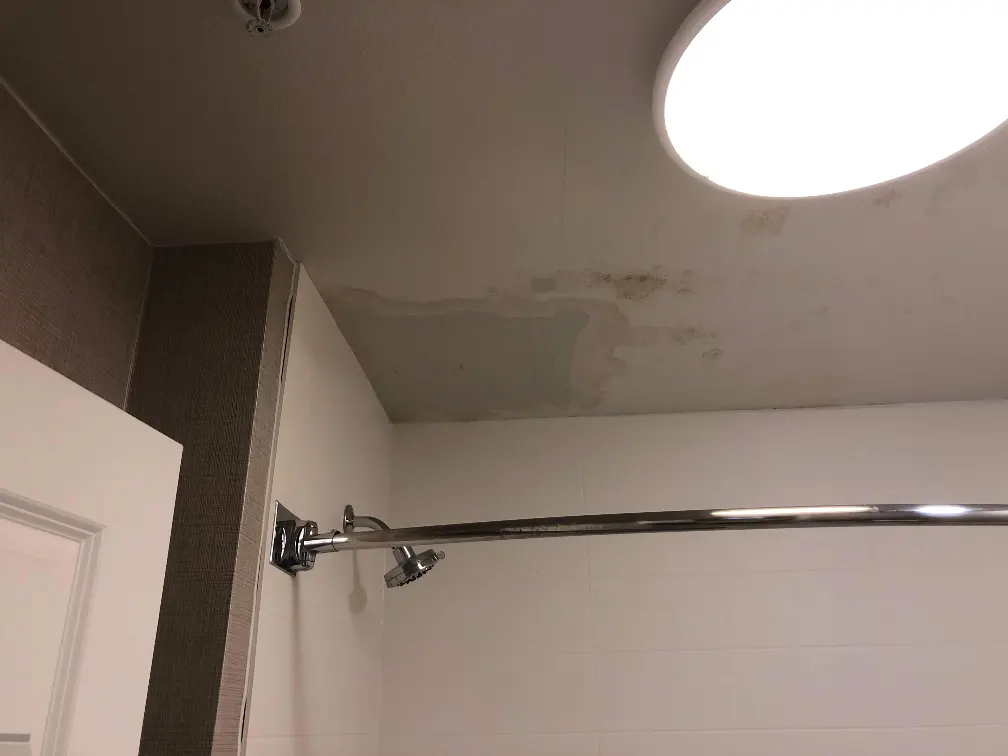
Get clear ceiling repair guidance for cracks, holes, stains, and damaged drywall. MrWalls Drywall & Painting delivers careful repairs and clean results.
Ceiling repair can turn a stained, cracked, sagging, or uneven surface back into a clean part of your home, but the right fix depends on what caused the damage. MrWalls Drywall & Painting helps homeowners assess visible problems, handle lasting repairs, and decide when a small DIY patch is enough or professional drywall work is the smarter choice.
MrWalls Drywall & Painting repairs cracked, stained, sagging, water-damaged, and poorly finished ceilings with durable materials and seamless texture matching. Each project begins with an assessment of underlying moisture, movement, fastening, or prior repair issues. While small, dry holes may be suitable for DIY patching, recurring cracks, stains, sagging, or larger damage require professional evaluation and repair.
MrWalls Drywall & Painting provides precise ceiling repair for surfaces affected by cracks, stains, sagging areas, failed texture, and poorly blended prior work. Our services address the cause where possible, then complete repairs with clean lines, durable materials, and a finish designed to disappear into the surrounding ceiling.
Before beginning work, we examine ceiling issues beyond the visible mark. Water-related ceiling damage may require a dry, stable substrate before finishing, while recurring cracks can point to movement, loose tape, or an inadequate previous repair. We also assess the condition of existing ceiling patches, texture consistency, and access around fixtures or vents. A small patch may be all that is needed, but careful evaluation helps prevent a repaired area from standing out or failing again soon after completion.
Some ceiling damage is cosmetic, but damaged drywall can also point to moisture, movement, or a failing attachment overhead. A timely assessment protects your home, clarifies the cause, and helps contractors restore ceilings properly rather than covering up a developing problem.
Call a professional promptly when ceiling drywall is soft, stained, bulging, or beginning to sag. These are common signs that material is water damaged and may no longer be securely fastened. Drips, a spreading stain, peeling paint, or damp insulation above the ceiling deserve immediate attention as well. Avoid puncturing a swollen area or placing furniture beneath it; the drywall can release unexpectedly. Once the moisture source is stopped, the area can be safely opened, dried, and rebuilt.
A single hairline crack may be a minor finishing issue, but cracks that return after a repair warrant a closer look. Repeated ceiling issues can stem from seasonal framing movement, inadequate fastening, truss uplift, water intrusion, or structural settling. Cracks that widen, run across several seams, or appear alongside sticking doors and uneven walls deserve professional evaluation. MrWalls Drywall & Painting can identify whether the repair calls for improved taping and finishing or whether an underlying condition should be addressed first.
A small ceiling patch can be a practical DIY project when the damage is limited and dry. But cracks, stains, sagging areas, or a difficult texture often call for a drywall contractor with the right tools to deliver a seamless drywall repair.
Small ceiling patches are often manageable if the hole is clean, the surrounding drywall is firm, and there is no sign of moisture behind it. A minor puncture from a hook, fixture, or accidental impact can usually be repaired with a fitted patch, joint compound, tape, and careful sanding. The key is patience: thin coats and adequate drying time prevent a raised repair line. Before painting, check the area under angled light to make sure the surface blends smoothly.
Call local contractors when the ceiling damage is larger, recurring, water-stained, or accompanied by cracking and sagging. Those issues may point to a leak, framing movement, or compromised drywall that needs more than a surface fix. Professional installation techniques help restore a level plane, while replacement may be the safer choice for softened or mold-affected material. MrWalls Drywall & Painting can assess the cause, complete the repair, and match the finish so the ceiling looks consistently cared for.
| Ceiling condition | Why it may need professional attention | Recommended next step |
|---|---|---|
| Larger damage | May require more than a surface repair to restore a level ceiling plane. | Have a local drywall contractor assess the damage and repair needs. |
| Recurring damage | May indicate an underlying issue rather than an isolated surface problem. | Arrange an assessment to identify and address the cause. |
| Water staining | May point to a leak that needs to be identified before the ceiling is repaired. | Call a contractor to assess the cause and complete the repair. |
| Cracking | May be associated with framing movement or compromised drywall. | Seek a professional evaluation before attempting a surface fix. |
| Sagging | Can indicate compromised drywall that may need more than cosmetic repair. | Have a contractor inspect the ceiling and determine whether replacement is needed. |
| Softened drywall | Replacement may be safer than repairing material that has lost its integrity. | Ask a local contractor to assess the material and recommend repair or replacement. |
| Mold-affected material | Replacement may be the safer option for drywall affected by mold. | Contact a contractor for an assessment and appropriate replacement work. |
Ceiling damage calls for a repair method that respects both the structure above and the finish below. MrWalls Drywall & Painting evaluates ceiling drywall, traditional plaster, and modern drywall ceilings before recommending a durable, clean-looking solution.
Small cracks, nail pops, and isolated holes can often be resolved with precise drywall repair and careful finishing. For water-softened board, sagging sections, or widespread cracking, ceiling patches may not provide a lasting result. In those cases, selective replacement creates a sound surface for taping, sanding, priming, and paint. Plaster ceilings require a different approach: loose material must be stabilized and rebuilt in thin, controlled layers before the final finish is applied.
Textured ceilings make even a modest ceiling repair highly visible if the pattern is not matched well. The team first repairs the damaged area, then recreates the surrounding knockdown, orange-peel, or hand-applied texture with attention to depth and direction. After the new material cures, thoughtful painting helps blend the repair into the wider ceiling plane. Proper lighting matters during this work; raking light can reveal inconsistencies that are easy to miss from directly below.
Older finishes deserve extra caution. Before disturbing a popcorn ceiling or aging ceiling tiles, determine what material is present and whether professional testing is appropriate. Once the area is cleared for work, damaged tiles can be replaced, loose sections secured, or an updated finish planned. Popcorn removal requires controlled preparation, careful scraping, surface repair, and new finish installation. A measured process protects adjoining rooms while giving the ceiling a cleaner, more current appearance.
At MrWalls Drywall & Painting, ceiling repair begins with a careful assessment, not assumptions. We identify the source and extent of damage, plan the right repair, and coordinate preparation, finishing, and painting services for a clean result that feels consistent with the rest of the room.
Before work starts, our team protects flooring, furniture, and nearby surfaces with clean coverings and contained work zones. Damaged drywall is removed back to solid material, while loose texture, compromised tape, and uneven edges are addressed rather than covered over. The right tools help create a stable repair area and limit unnecessary disruption. If staining or water damage is present, we also look for conditions that should be resolved before the ceiling is closed and refinished.
Once the repair is secure, we build and feather joint compound in thin, controlled layers so the ceiling patch transitions naturally into the surrounding surface. After careful sanding, we match the existing texture where needed and prepare the area for painting. Paint is blended across an appropriate section, not simply brushed over the patch, to avoid a visible outline. A final review checks smoothness, texture consistency, coverage, and clean edges, ensuring the completed repairs meet the standard expected in a finished home.
Ceiling repair costs depend on more than the visible mark or crack. At MrWalls Drywall & Painting, we assess the source and extent of the ceiling damage before recommending a repair, because a stain, sagging section, or peeling texture can point to very different scopes of work. Small cosmetic repairs may involve patching, taping, sanding, and repainting a limited area. Larger issues, especially those caused by water, can require removing compromised drywall, drying the space, treating the underlying cause, and blending new material into the surrounding ceiling. Replacement becomes more likely when damage is widespread, structural, or recurring. Access also matters: high ceilings, tight stairwells, furniture protection, texture matching, and electrical fixtures can add time. Experienced contractors provide a clear scope so you understand what is being repaired and why.
MrWalls Drywall & Painting provides the kind of careful, straightforward service homeowners want when walls or ceilings need attention. From small drywall repairs to full hanging, taping, finishing, and painting work, the focus is on clean preparation, sound workmanship, and a finish that blends naturally with the surrounding space. Ceiling repair is approached with the same care, whether the issue is age, cracking, water damage, or an outdated popcorn texture. As a local contractor, MrWalls understands that respectful communication and tidy job sites matter as much as the finished surface. Expect a clear assessment of the work, practical recommendations, and a crew that treats your home with care. The result is repair and finishing services designed to restore both the appearance and confidence of your interior.
Drywall work rarely stands alone. A clean repair often leads naturally to precise painting, while water damage or an outdated ceiling may call for more extensive replacement or installation. MrWalls Drywall & Painting handles these connected projects with one coordinated standard of care. Our team can assess damaged areas, hang new board, complete smooth taping and finishing, or remove dated popcorn texture before preparing surfaces for paint. Whether you need a small drywall repair after a leak or a larger room update, we focus on durable workmanship, tidy preparation, and finishes that blend naturally with the rest of your home. The result is a straightforward process and walls or ceilings that look complete, not merely patched.
Ceiling repair starts with identifying the cause, not simply covering the visible damage. Cracks may point to movement or failed joints, while water damaged drywall requires the leak or moisture source to be corrected before new material is installed. At MrWalls Drywall & Painting, we assess the condition of the ceiling, remove compromised sections where needed, and blend repairs into the surrounding surface with careful taping, finishing, and paint preparation. Textured ceilings require additional attention: matching an existing stipple or orange-peel finish is a skilled process, and popcorn texture may call for testing and safe removal practices in older homes. A proper repair should leave the area stable, clean, and ready to look like it was never damaged.
Ceiling cracks can result from normal seasonal movement, loose drywall tape, inadequate fastening, truss uplift, settling, or water damage. A small isolated hairline crack may be cosmetic, but cracks that return, widen, or extend across multiple seams should be evaluated before repair.
A ceiling that is bulging, soft, actively dripping, or sagging may have water-damaged drywall and should receive prompt professional attention. Move furniture away from the area, avoid puncturing the swollen drywall, and stop the moisture source if it is safe to do so.
Yes, provided the leak or moisture source is corrected first. The drywall must be dry and structurally sound before staining, patching, texturing, and painting. Softened, mold-affected, or deteriorated material may need removal and replacement instead of a surface repair.
A small, dry hole in firm drywall can often be patched with tape, joint compound, and sanding. Hire a drywall contractor for large holes, water stains, recurring cracks, sagging material, difficult ceiling texture, or repairs that need a seamless finish.
Professionals prepare a smooth patch, feather joint compound beyond the repair, and recreate the existing texture using the appropriate application method. Texture is blended into the surrounding ceiling, then the area is primed and painted for a consistent appearance.
A visible patch often means the repair was not feathered wide enough, the texture differs from the surrounding surface, or the paint sheen does not match. Angled lighting can reveal raised edges and uneven sanding that are less noticeable from directly below.
Ceiling issues deserve a closer look before a small stain, crack, or sagging area becomes a larger repair. MrWalls Drywall & Painting provides straightforward assessments that identify the visible damage, likely contributing factors, and the right scope for lasting ceiling repair. Whether the concern is water damage, failed tape joints, damaged drywall, or an outdated popcorn texture, an experienced drywall contractor can explain what needs attention, and what does not. You will receive practical guidance on repair options, surface preparation, and the finish needed to restore a clean, consistent appearance. Request an assessment to move forward with clarity, protect the surrounding space, and plan repairs with confidence.