Drywall Finishing for Paint-Ready Walls
Professional drywall finishing for smooth, paint-ready walls. Learn about finish levels, repair work, estimate factors, and minor DIY patches.
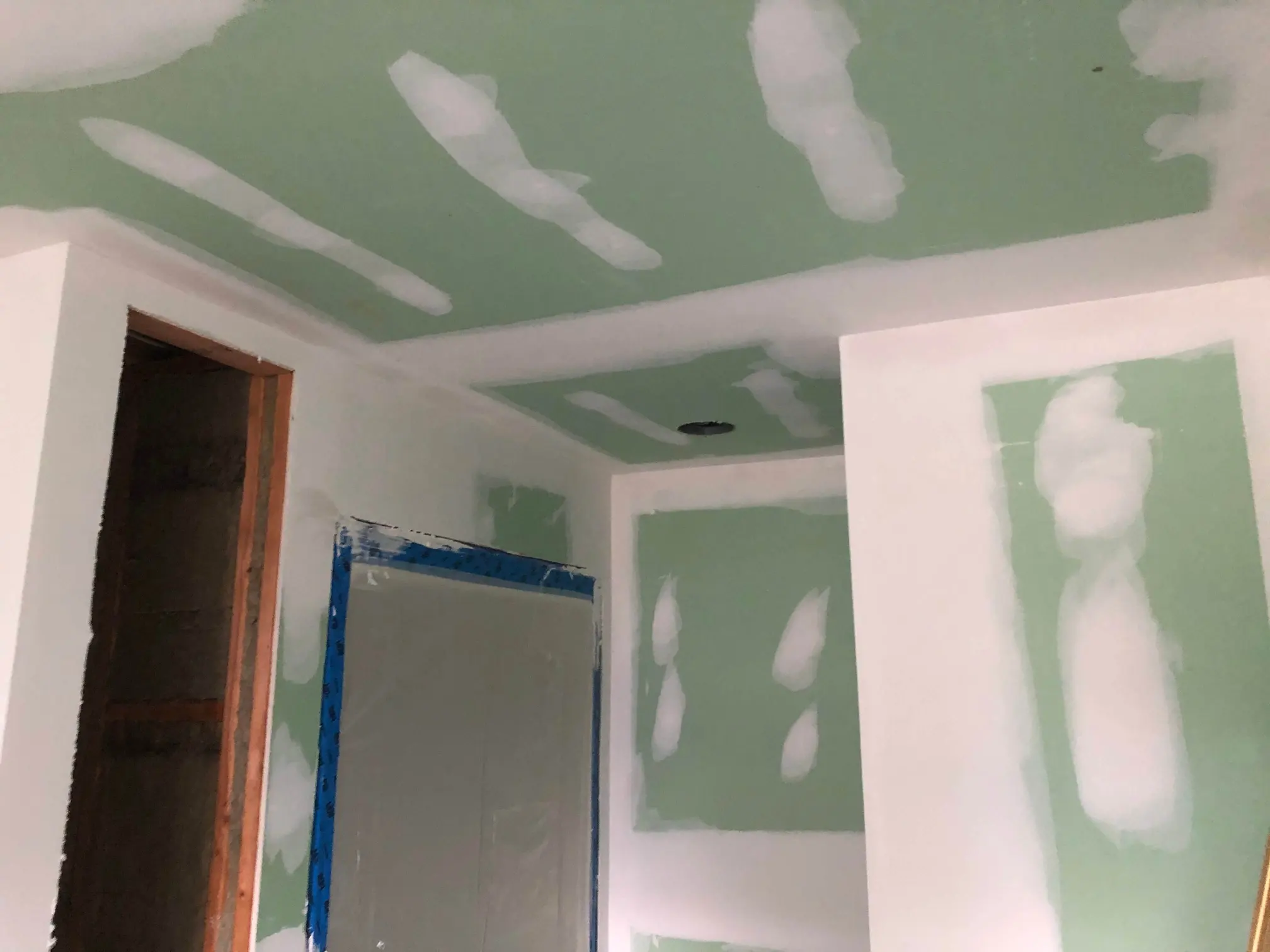
Professional drywall finishing for smooth, paint-ready walls. Learn about finish levels, repair work, estimate factors, and minor DIY patches.
Drywall finishing turns newly hung drywall, or a carefully patched wall, into a smooth, paint-ready surface. It starts with precise taping and thin, even coats of mud. Then comes deliberate sanding with the right drywall tools, followed by a close inspection of corners, fasteners, and repairs before primer. Skilled finishing drywall also includes setting corner bead or a metal corner with care, then completing detailed drywall repair wherever the surface needs it.
For homeowners, the right finish depends on the room, lighting, paint sheen, and wall texture. Small repair projects can be manageable with patience, quality tools, and guidance from local pros. For larger areas, high ceilings, or glossy paint, experienced drywall contractors offer reliable service. They can repair drywall cleanly, complete finished caulking around posts, and provide a clear quote for a polished result.
MrWalls Drywall & Painting delivers smooth, durable, paint-ready walls through careful taping, compound application, sanding, texture matching, and detailed quality checks. From minor patches and damaged corners to water-related repairs and full-room finishing, the team evaluates substrate conditions, lighting, paint sheen, and desired texture. Protective preparation, dust control, clear scopes, and thorough inspections help ensure seamless, long-lasting results.
Great paint starts long before the first coat. At MrWalls Drywall & Painting, our drywall finishing service creates smooth, durable, paint-ready walls that look refined in natural light, overhead lighting, and everyday use. Whether you are remodeling, repairing a damaged room, or completing a newly hung drywall installation, the finish shapes how polished your space feels.
Finishing drywall is a skilled process, not a last-minute step. Our drywall contractors complete taping, install corner bead, cover fasteners, apply mud in controlled coats, and sand surfaces for consistent wall-to-ceiling planes. With professional drywall tools and proven methods, we deliver a clean, dependable finish. The goal is more than hiding seams. It is helping the drywall appear as one continuous surface after priming and painting.
Every project begins with the substrate. New drywall may need a complete finishing system, while existing walls may require repair for cracks, popped nails, dents, water damage, or uneven patchwork. Our contractors assess the full scope before recommending a solution. We address the visible issue and its underlying cause. If moisture has affected the wall, we can help identify what should be corrected before repair drywall work begins.
We tailor drywall finishing to each room, its lighting, and the planned wall treatment. Standard painted rooms need clean joints and even texture. Rooms with flat paint, large windows, glossy finishes, or dramatic side lighting may benefit from a higher-level finish. Our pros can blend repaired areas into surrounding texture, prepare walls after popcorn ceiling removal, install metal corner protection where needed, and complete finished caulking details. We can also coordinate drywall repair with interior painting for a more seamless result.
Reliable service means caring for your home throughout the job. MrWalls Drywall & Painting keeps work areas orderly, manages dust as conditions allow, and clearly explains preparation, drying time, and next steps. Our experienced drywall contractors bring sound judgment to every project, from a small wall repair to a full-room renovation. Contact us for a quote, and explore our project posts for examples of work completed with the right tools and care.
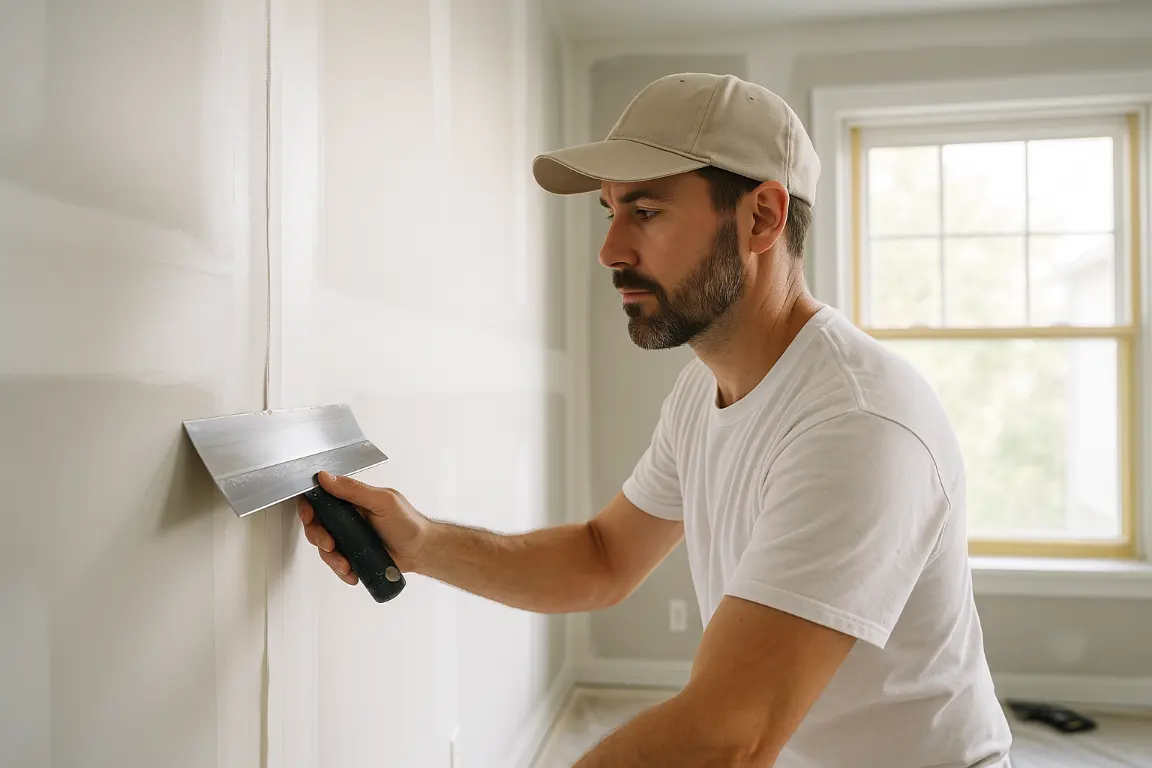
The best drywall finish is not always the cheapest. It should suit the room’s light, your preferred paint sheen, and the wall or ceiling texture you want. At MrWalls Drywall & Painting, our drywall contractors help homeowners make these choices before the final coat of mud is applied, when adjustments are simpler and costly touch-ups may be avoided.
Light is often the deciding factor. Large windows, recessed lighting, pendant fixtures, and bright LEDs can cast raking light across a wall. This can reveal subtle ridges, sanding marks, seams, or uneven taping that softer light may hide. In these spaces, careful drywall finishing and a higher-level finish create a more uniform appearance. A dining room with directional ceiling lights, for example, may need more detailed preparation than a softly lit hallway.
Paint selection matters, too. Flat paint is forgiving and can soften the look of minor surface variations, making it a practical choice for many ceilings and low-traffic rooms. Satin, semi-gloss, and other reflective finishes reveal more detail around joints, fasteners, and corner bead. If you want a washable sheen in a kitchen, bathroom, entry, or children’s room, the drywall underneath needs the right level of care. Quality paint does not hide poor finishing; it often makes it more noticeable.
Texture can be a design choice as well as a practical solution. A light orange-peel or knockdown texture adds softness and can help disguise modest irregularities in an existing home. Smooth walls feel clean and contemporary, but finishing drywall properly requires disciplined sanding, close inspection, and the right drywall tools throughout the process. Textured ceilings may suit an older property, while popcorn ceiling removal can give a room a more current look when the exposed surface is properly repaired and refinished.
The wall’s condition should also guide the recommendation. After water damage, patching, or repair around plumbing or electrical work, the goal is to blend the restored area into the surrounding finish. This may include rebuilding damaged board, applying joint compound in wider coats, refining the taping, replacing a damaged metal corner, and matching the existing texture with specialized tools. A drywall repair should not simply be covered. It should disappear after primer and paint are applied.
Before choosing a finish, consider how the room is used, where natural and artificial light fall, and whether you prefer crisp, smooth walls or intentional texture. Bring paint samples into the room and view them at different times of day. Then let experienced contractors assess the substrate, seams, previous repair work, bead details, posts, and finished caulking. Our pros can recommend the right service, explain when to repair drywall, and provide a clear quote for the work.
| Factor | What It Can Reveal or Affect | Finish Consideration |
|---|---|---|
| Lighting | Large windows, recessed lighting, pendant fixtures, and bright LEDs can create raking light that exposes ridges, sanding marks, and seams. | Use careful taping and a higher-level finish for a more consistent surface, especially in rooms with directional or bright lighting. |
| Paint sheen | Flat paint can soften the appearance of minor variations, while satin, semi-gloss, and other reflective finishes reveal more detail around joints and fasteners. | Reflective or washable paint sheens require more thorough drywall preparation because paint can highlight poor surface work. |
| Desired texture | Light orange-peel or knockdown texture can soften the look of modest irregularities, while smooth walls create a clean, contemporary appearance. | Choose texture to help blend existing surfaces or support the home’s character; smooth walls require disciplined sanding and inspection. |
| Wall condition | Water damage, patches, and plumbing or electrical repairs can leave damaged board, seams, and uneven areas that need to blend with surrounding walls. | Repair damaged areas, apply wider joint-compound coats, refine taping, and match the existing texture so the patch disappears after primer and paint. |
| Room use | Kitchens, bathrooms, entries, and children’s rooms may need washable paint, while ceilings and quieter rooms may suit forgiving flat paint. | Match the preparation level to the room’s cleaning needs, daily use, lighting, and preferred paint finish. |
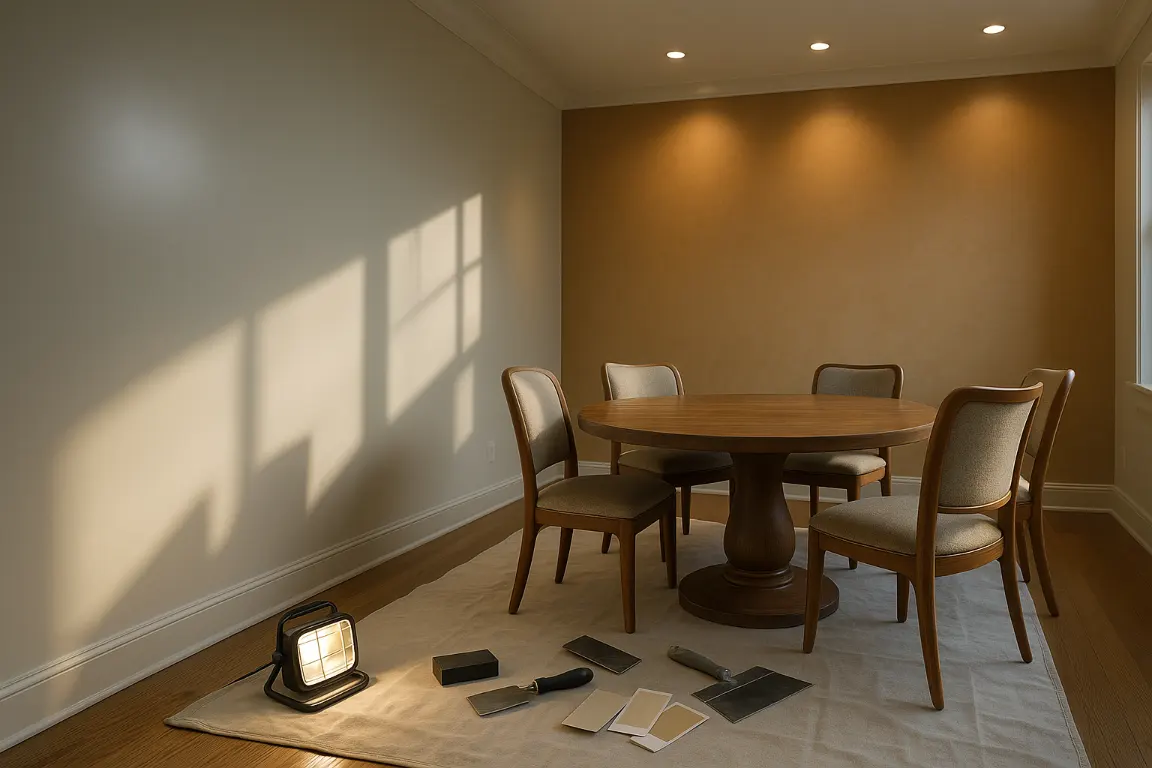
Many small drywall repair projects are manageable with patience, mud, and the right drywall tools. A nail pop, shallow ding, or clean picture-hook hole can be a simple repair. Damage at seams, around posts, or near a corner often needs a more practiced approach. Corner bead, especially metal corner bead, requires careful taping and finishing drywall so the finish blends into the surrounding wall. For larger repairs, textured surfaces, or detailed drywall finishing, trusted drywall contractors can protect the final look. MrWalls Drywall & Painting provides dependable service, clear guidance, and a straightforward quote when DIY tools are not enough. Our contractors handle every detail, from bead work to finished caulking, for polished, lasting results.
Outside corners are some of the least forgiving areas to repair drywall. They catch light from two directions, take frequent bumps from furniture and foot traffic, and create a crisp line across the room. A patch that looks smooth when the mud is wet can appear wavy, bulky or cracked after primer and paint reveal every flaw.
The key component is the corner bead: a reinforced strip beneath the joint compound that creates a straight, durable edge. Depending on the wall and damage, the bead may be vinyl, paper-faced composite or a metal corner bead. If only the surface compound is chipped, a focused repair may be enough. But when the bead is bent, loose, rusted or missing, simply filling over it rarely lasts. The damaged area should be cut back, replaced, secured and feathered well beyond the edge.
This is where experienced drywall contractors and other pros make a visible difference. Quality drywall finishing requires several thin coats, careful sanding and the right drywall tools. The compound needs to transition gradually from the bead across both wall faces. Otherwise, the corner can look swollen after primer and paint. A straightedge check helps confirm a clean, sharp finish. One heavy coat of mud, by comparison, can lead to shrinkage, pinholes and an uneven profile.
Inside corners can be just as revealing. Cracks along a taped seam may signal failed taping, seasonal movement or a framing issue behind the drywall. Posts, studs and other framing members should be stable before new tape is applied. If drywall has shifted because framing posts are loose, warped or affected by moisture, cosmetic compound will only hide the problem temporarily.
It is also important not to confuse finished caulking with a structural drywall solution. Paintable caulk can create a polished line where trim meets a wall, but it cannot replace proper corner tape, bead repair or finishing drywall. For damaged corners, recurring cracks or framing concerns, MrWalls Drywall & Painting provides dependable drywall repair service. Our contractors use professional tools to restore backing, rebuild the bead and deliver a finish that does not announce the repair. Contact our team for a quote.
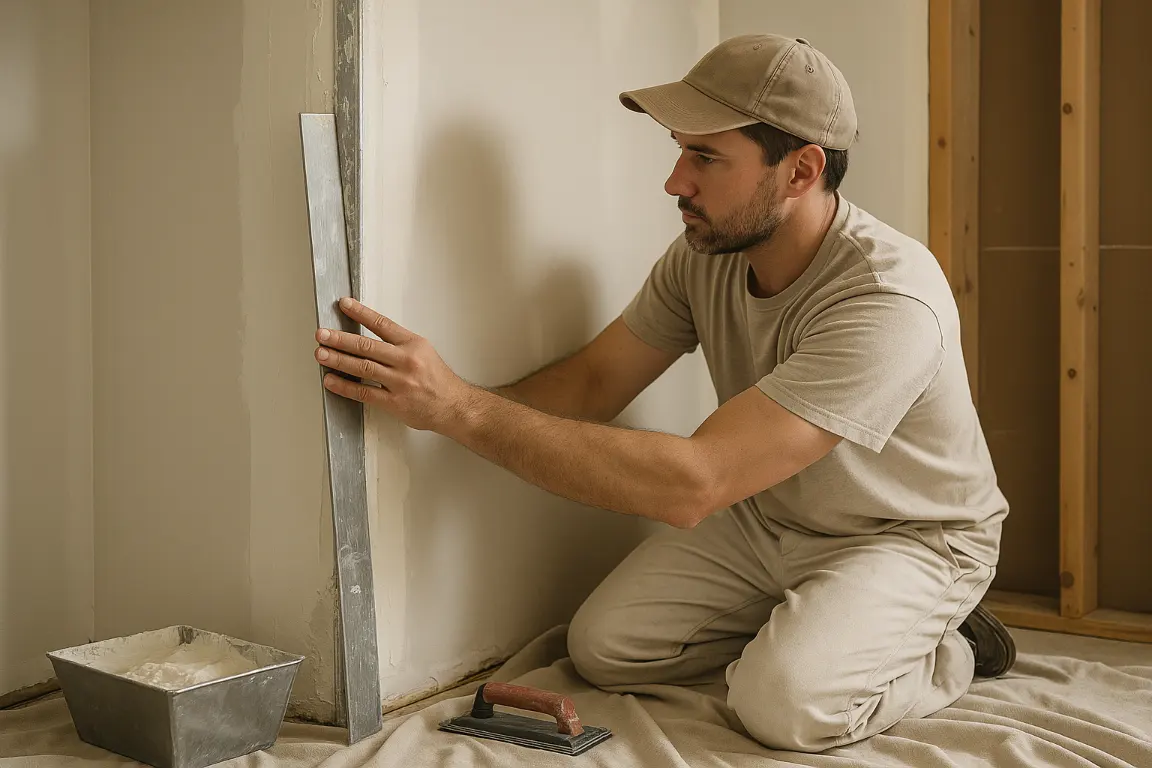
At MrWalls Drywall & Painting, exceptional drywall finishing starts long before the final coat of paint. Our experienced drywall contractors begin with careful preparation, clear communication and respect for your home. Whether you need a new room completed, a visible seam corrected or drywall repair after water damage, we assess the surface, explain the scope and provide a clear quote.
Precise taping is the foundation of a seamless finish. We secure paper or mesh tape at joints, corners and repaired areas, then apply mud in smooth, controlled layers. Each coat has proper drying time before sanding and refinishing. This careful approach creates clean, durable transitions instead of simply covering an issue. The result is drywall ready for primer, paint or the next stage of your renovation.
Details matter when finishing drywall. We install corner bead where needed, including durable metal corner options for outside corners and high-traffic areas. Our team uses professional drywall tools and specialized tools for accurate cuts, clean sanding and dependable dust control. With repair drywall work, we look beyond the visible surface when appropriate. A lasting repair needs a sound substrate, not just a smooth patch or finished caulking around seams, trim or posts.
Protection is an essential part of our service. Before work begins, we cover nearby floors, furniture and fixed surfaces as needed. We also keep the work area orderly throughout the project. Before completion, our pros inspect seams, fastener locations, corners and repaired sections. We check for ridges, pinholes, uneven texture and other subtle details that can appear after painting, especially in natural or angled light.
Fine finishing should never draw attention to itself. It should make a room feel clean, cohesive and ready to enjoy. From focused drywall repair to full-room installation and finishing, our contractors bring the same high standard to preparation, protection and final review.
Whether you need to repair drywall after a leak, update a dated ceiling, or finish walls in a remodeled room, clear expectations make decisions easier. At MrWalls Drywall & Painting, we believe a thoughtful quote should do more than list a price. It should outline the scope, document existing conditions, and explain the steps needed for a clean, paint-ready finish.
What does drywall finishing include? It may involve hanging new board, securing loose areas, taping seams, applying mud and joint compound, concealing fasteners, and matching an existing texture. Our drywall tools and specialized tools are selected for the job, from detailed patching to full wall and ceiling finishing. Quality finishing drywall takes patience. Each coat needs proper drying time before sanding and inspection under practical lighting.
Every drywall repair project has different needs. A small door-handle hole may require a simple patch. Cracked seams, sagging ceilings, or water damage may indicate movement, moisture, framing issues, or nearby support posts that need attention before the repair begins. If plumbing or a roof leak caused the damage, the area must be dry and stable before new drywall is installed. Even a careful cosmetic repair may not last otherwise.
What factors affect pricing? Your quote may reflect the size and location of the damage, access to the work area, required finish coats, texture matching, ceiling height, protection, cleanup, and painting. Details matter. A water-damaged ceiling often needs stain-blocking primer before paint. Popcorn ceiling removal may require testing, containment, surface preparation, and a new finish across the full ceiling for a consistent appearance. We can also assess corner bead, metal corner protection, bead damage, and finished caulking around repaired areas.
How the work will affect my home? Drywall work creates dust, especially during sanding. Careful containment, floor protection, and daily cleanup help keep disruption manageable. Our pros discuss furniture access, room preparation, ventilation, scheduling, and drying intervals before work begins. Unlike some drywall contractors or general contractors, we prioritize clear communication throughout the service.
For the most accurate quote, share photos of the affected area, approximate dimensions, the age of the damage, and any known moisture history. An in-person assessment may be recommended for larger repairs, ceiling concerns, or areas where the underlying cause is not visible. MrWalls Drywall & Painting provides straightforward recommendations and a defined scope, so you can choose the right level of drywall repair service with confidence. From taping and repair drywall work through final finishing, we help ensure your walls are durable, polished, and ready for the next step.
Drywall finishing typically includes taping joints, installing or repairing corner bead, covering fasteners, applying multiple coats of joint compound, sanding, texture matching when needed, and preparing the surface for primer and paint. The exact scope depends on whether the wall is new, repaired, textured, or affected by prior damage.
The right finish level depends on lighting, paint sheen, and the desired look. Rooms with large windows, bright LEDs, glossy or satin paint, and smooth-wall designs generally need more detailed finishing because angled light reveals seams and sanding marks. Flat paint and light texture can be more forgiving.
Yes. Drywall repairs can be blended into surrounding orange-peel, knockdown, and other common wall or ceiling textures. Matching requires evaluating the existing pattern, applying the appropriate material and technique, and refining the transition so the repaired area is less noticeable after priming and painting.
Drying time varies with compound type, coat thickness, humidity, temperature, and airflow. Many coats need about 24 hours, although some products and conditions allow faster drying. Proper drying matters because sanding or recoating too soon can cause damage, shrinkage, or an uneven finish.
That depends on the extent of damage and whether the moisture source has been corrected. Small, fully dry areas may be repairable, while soft, swollen, mold-affected, or extensively stained drywall may need replacement. The substrate must be dry and stable before finishing begins.
Primer should usually be applied before paint. New joint compound absorbs paint differently than the surrounding wall, and primer helps create a uniform surface, improves adhesion, and reduces flashing. Water stains may also require a stain-blocking primer before the final paint coat.
Pricing can depend on the size and location of the area, ceiling height, number of coats, texture matching, access, protection and cleanup needs, moisture or framing repairs, and whether primer and painting are included. Photos and dimensions help provide an initial estimate, while larger or complex issues may need an in-person assessment.