Professional Drywall Crack Repair for Lasting, Clean Results
MrWalls Drywall & Painting repairs drywall cracks with careful assessment, durable repairs, and smooth finishing. Request an estimate today.
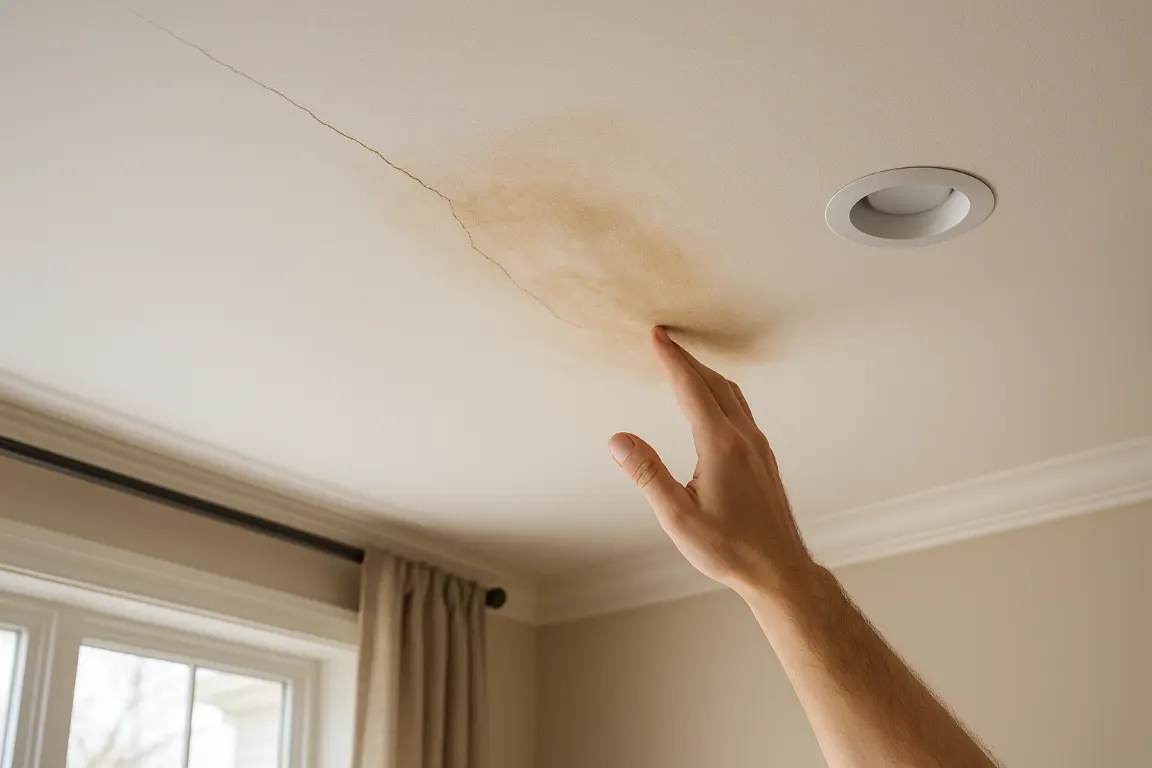
MrWalls Drywall & Painting repairs drywall cracks with careful assessment, durable repairs, and smooth finishing. Request an estimate today.
A drywall crack can make an otherwise well-kept room feel tired. Some are straightforward cosmetic crack repairs; others signal movement, moisture, a weakened seam, or compromised drywall paper. Effective drywall crack repair begins with identifying the crack, understanding its cause, and choosing the right repair, not simply covering the surface with compound.
Whether you plan to repair drywall in your home or house yourself or call a local professional, this guide explains what to inspect on walls and ceilings, when a drywall repair deserves closer attention, and what affects cost. From a small hole or patch to applying joint compound, patching compound, mesh tape, and paint with a taping knife, a proper repair may require you to cut away damaged material before you apply tape and create a smooth, lasting finish.
MrWalls Drywall & Painting provides lasting drywall crack repair for walls and ceilings by identifying underlying causes such as settling, failed seams, moisture, or structural movement. From minor surface blemishes to water-damaged or recurring cracks, our process includes proper preparation, reinforcement, taping, finishing, texture matching, and paint-ready results. Professional assessment helps ensure repairs blend seamlessly and stay durable.
A drywall crack can make an otherwise well-kept home feel unfinished, whether it appears above a doorway, traces a ceiling seam, or emerges beside a window. Some surface cracks are minor; others signal movement, moisture, an aging tape joint, or earlier drywall work that was never properly reinforced. Effective drywall crack repair starts with identifying the cause, not simply applying compound and hoping the line remains hidden through the next season.
MrWalls Drywall & Painting delivers meticulous drywall repair for walls and ceilings throughout the house. We evaluate the surrounding drywall, remove loose material, reinforce compromised joints where needed, and create a seamless finish through precise taping, coating, and sanding. With ceiling cracks, that preparation matters even more: overhead seams and textured surfaces can expose the smallest inconsistency when the light changes.
Our aim is a repair that settles naturally into the room, whether that means matching an existing wall texture or preparing the surface for fresh paint. When a crack may relate to water damage, settling, or a recurring seam issue, we look beyond the visible line. A properly completed repair restores a clean, continuous surface rather than leaving a patch that catches the eye.
Whether you are refreshing one room before painting or addressing multiple cracks throughout your home, professional drywall repair restores the polished appearance your walls and ceilings deserve.
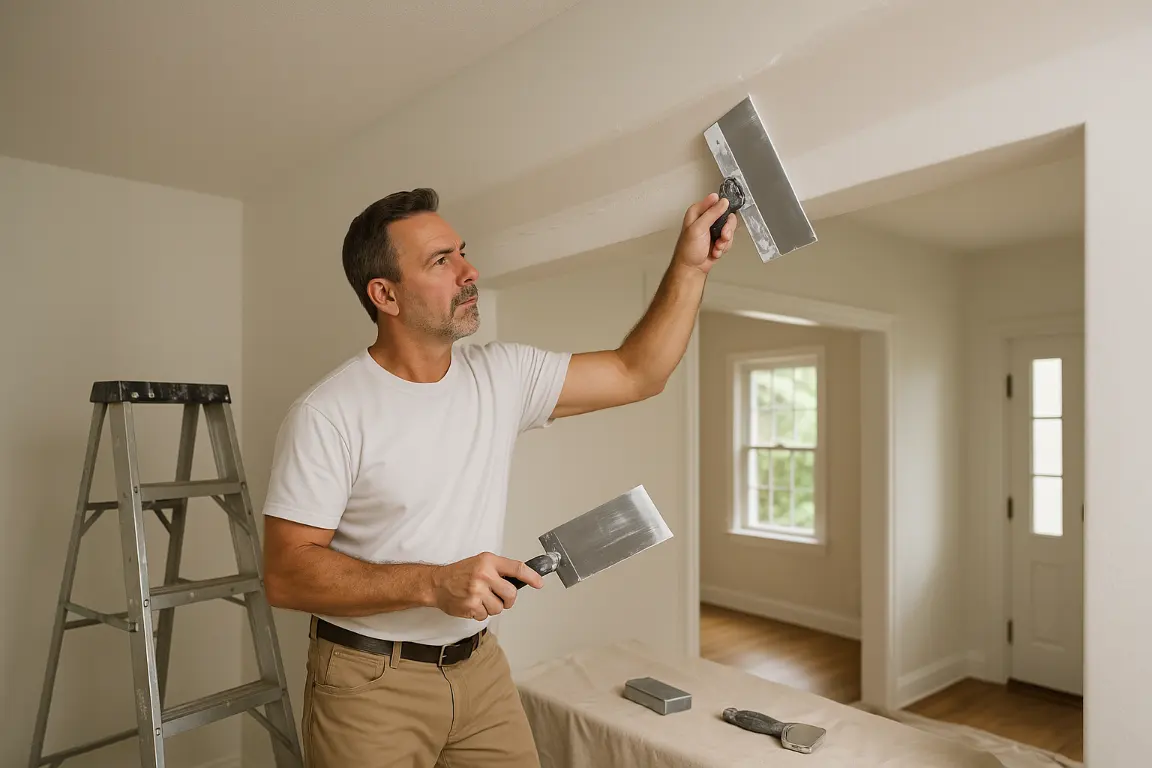
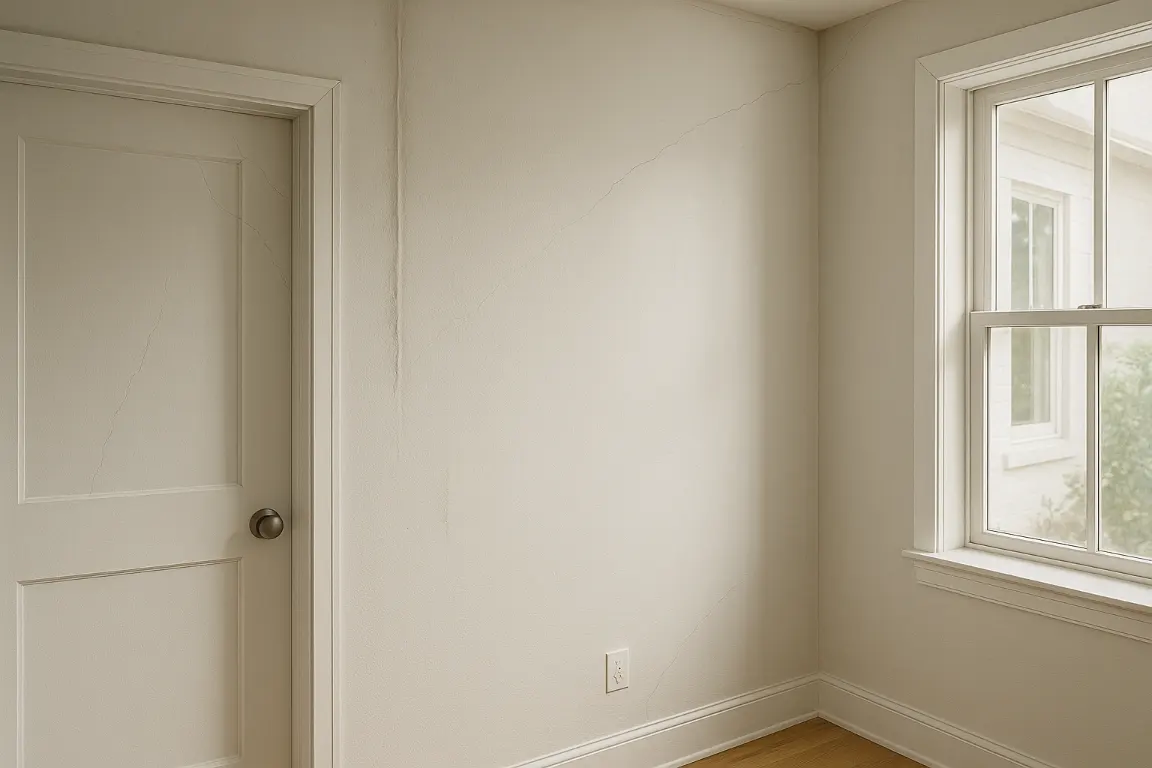
A drywall crack may be little more than a cosmetic distraction, or it may be an early indication that moisture, movement, or a failing seam deserves attention. The distinction often depends on the crack’s location, shape, and timing. A fine, straight line above a doorway or along a taped joint can emerge as a home or house settles through seasonal shifts in temperature and humidity. In many cases, professional drywall repair can restore a flawless surface and help prevent the line from returning.
Other signs warrant a closer assessment before any repair begins. Cracks that widen over time, run diagonally from windows or doors, appear with sticking doors, or return soon after patching may suggest framing movement or structural stress. A soft wall surface, yellow-brown staining, peeling paint, or a musty odor can indicate water damage behind the drywall. In those cases, a simple patch or drywall crack repair would only conceal an issue that could continue to spread. We inspect for compromised drywall paper, hidden moisture, and damage around every hole, seam, and joint before recommending crack repairs.
At MrWalls Drywall & Painting, we assess the surrounding wall and ceiling, not just the visible crack, to determine the appropriate scope of work. That may include re-securing loose drywall, replacing damaged material, rebuilding a joint with mesh tape and joint compound, or addressing moisture before refinishing. For minor surface cracks, we carefully cut away unstable material, apply patching compound and compound with a taping knife, then repair drywall with flexible tape and a seamless paint match. For more persistent damage, an informed diagnosis clarifies the cost, protects the finish, and helps preserve the condition of your home.
| What You Notice | What It May Indicate | Recommended Next Step |
|---|---|---|
| Thin, straight crack above a doorway or along a taped joint | Seasonal settling, temperature changes, humidity changes, or a seam that needs repair | Have the area prepared and repaired with appropriate joint treatment, then refinished to match the surrounding surface. |
| Crack widens over time | Movement that may extend beyond a simple surface issue | Evaluate the surrounding wall and ceiling before patching or painting. |
| Diagonal crack extending from a window or door | Possible framing movement or structural stress | Seek a closer assessment before cosmetic repair begins. |
| Cracks appear with sticking doors | Movement affecting the framing or nearby openings | Inspect the related wall area and door opening before refinishing the crack. |
| Crack returns soon after patching | A persistent seam, loose drywall, or continuing movement | Identify and address the underlying condition, which may include re-securing drywall or rebuilding the joint. |
| Soft wall surface, yellow-brown staining, peeling paint, or musty odor | Possible water damage behind the drywall | Address moisture and damaged material before covering the crack or refinishing the wall. |
Not every drywall crack requires the same repair. The location, direction, and surrounding condition can reveal whether the issue stems from normal movement, a failed seam, impact damage, or moisture. At MrWalls Drywall & Painting, we assess the surface carefully before recommending crack repairs, whether the right solution is a precise patch, a strategic cut-out around a damaged hole, or a more complete drywall repair.
A drywall crack that runs in a clean, straight line across a wall or ceiling often follows a seam. Seasonal framing movement, settling, or a poorly bonded joint can loosen the tape beneath the finish. A hairline crack may be cosmetic, but lifting, bubbling, or visibly separated tape signals a more considered drywall repair: remove the failed material rather than conceal it with paint or patching compound.
Inside corners can split as adjacent walls move independently, particularly in a newer home or house as lumber dries and settles. Cracks radiating from doors or windows merit closer attention, too. These openings interrupt the wall surface and concentrate movement at their corners. Minor settling is common; widening damage, sticking doors, or repeated separation may call for a broader evaluation before drywall crack repair begins.
Lasting crack repairs start with secure drywall and a stable edge. We cut away compromised drywall paper where necessary, repair drywall around any hole, and apply fresh mesh tape with joint compound using a taping knife. The repair is then feathered with compound and a smooth patch so it disappears into the surrounding wall. The cost reflects the extent of preparation required, with a finish designed to accommodate ordinary movement without telegraphing the old seam.
Ceiling cracks can appear along a seam, at a room’s perimeter inside corner, or beneath a support beam where framing shifts under load. A narrow, stable drywall crack may reflect ordinary seasonal movement; sagging, discoloration, or softness signals a more immediate concern. Since ceilings work against gravity, drywall crack repair should never begin until the underlying drywall is properly screwed and secure, dry, and any water leaks have been corrected. Cracks that are not following where two sheets of drywall come together are the most likely to return. It takes a lot of movement to crack a sheet of drywall so these areas should be looked at by a professional to find the cause.
Water changes the equation. A roof leak, plumbing failure, condensation issue, or overflowing fixture can destroy the gypsum core and separate the drywall paper from the core beneath. Even after the source is corrected, affected material may remain swollen, brittle, and trying to paint without fixing the damage will lead to visible surface defects. Once the core is damaged the paper usually separates from it and must be cut out. If you see the surface of the drywall bubble when primed, that area needs the surface paper cut out and tape applied.
To repair drywall correctly, we determine whether the area can be dried and stabilized or whether it should be removed. We cut back to solid material, replace damaged drywall, and use paper tape, joint compound, and a taping knife to create a seamless patch. For a small hole or localized imperfection, patching compound may be the right approach, But any hole bigger than a 1/2" around needs tape. Once the work is fully dry, we apply primer and paint for a finish that looks professional and improves the house without the shadow lines and recurring cracks that rushed work, or improperly done work can leave behind.
Joint compound is made to blend and fill in a surface: smoothing transitions, filling shallow imperfections, and preparing drywall for paint. It does not, on its own, have the strength to resist cracking. The tape is the structural bridge that keeps the crack from coming back. When compound is pressed into an open crack or seam without tape the crack will reappear in quickly. The same drywall crack can return as the house settles, the home shifts with seasonal humidity, or the wall flexes under everyday use if tape is not used.
A lasting drywall crack repair begins with preparation. Loose material should be cut away, unstable edges secured with screws, and every crack or hole assessed for movement, moisture, or compromised drywall paper. For many recurring crack repairs, tape provides reinforcement that compound alone cannot. Paper tape remains a strong choice for properly prepared flat joints and inside corners, while mesh tape can suit select patch work when paired with the appropriate setting type compound. The cost of doing the tape coat properly is small compared with repeating a failed drywall repair.
Thickness matters as much as reinforcement. Heavy coats of patching compound applied in a single pass can shrink. It is better to apply multiple thinner coats. To repair drywall to a seamless finish, we apply tape to reinforce the joints, use a taping knife to build thin, controlled coats, sand with care, and match the surrounding texture. This planned repair process gives each patch a far better chance of staying smooth, and staying invisible, long after the room is back in use.
Some drywall repair projects fit comfortably within the capabilities of a careful homeowner. Small nail holes, picture-hanger marks, shallow dents, and clean screw pops can often be addressed at home with patience, good lighting, and the correct materials. The best candidates are cosmetic issues rather than damage involving framing, insulation, wiring, or other components concealed behind the wall. Before you begin, consider the scope, finish requirements, and cost of materials against the value of a professional repair. Drywall work requires a great deal of patience also. The morning is a great time to apply joint compound when you are relaxed and can focus on the task.
For cosmetic blemishes, remove loose drywall paper and crumbling gypsum before using a flexible taping knife to apply a thin layer of patching compound. Allow each coat to dry fully, then sand lightly before adding another layer as needed. Several restrained applications of compound create a flatter, more refined finish than one heavy pass. Prime the repaired area before you paint; fresh joint compound absorbs paint differently from the surrounding wall, and primer helps prevent a dull spot or visible flash in changing light.
A small patch can also be manageable when the hole has clean edges and sits away from corners, seams, and textured finishes. Homeowners can repair drywall with a self-adhesive mesh patch, mesh tape, or a carefully cut drywall insert, provided they feather the compound well beyond the repair, and use setting compound with mesh tape. The wider the compound is feathered out, the more naturally the patch will disappear. If the wall has a paint roller texture, skim coating the wall smooth may be required for a perfect repair.
DIY becomes less tough when damage extends beyond a few inches, when crack that are repaired come back, or when there are signs of moisture, mold, or water damaged drywall. A persistent drywall crack may indicate movement that requires more than a standard drywall crack repair. Matching orange peel, knockdown or swirl texture, or a smooth wall under strong natural light also demands a skim coat and more skill than it first appears. In those cases, MrWalls Drywall & Painting can identify the underlying issue and deliver a seamless result ready for paint. We also offer painting if DIY isn't your thing.
Small scuffs, nail holes, and shallow dents are often manageable at home with a little spackle, patching compound, and careful sanding. But certain wall and ceiling issues warrant a professional drywall repair assessment before they become more visible, or more expensive in cost. A crack that returns after a cosmetic fix, a drywall crack that runs diagonally from doors or windows, or damage that spreads across a ceiling may point to framing movement, settling, or hidden moisture. In these cases, lasting drywall crack repair involves more than filling a line: a contractor may need to cut open the area, reinforce the substrate with mesh tape, retape the seam, and finish the repair so it holds.
Water staining, soft drywall, bubbling paint, sagging ceilings, and a musty odor should also warrant a call. The moisture source must be resolved before new material is installed, particularly after a plumbing leak or roof issue. A qualified professional can remove compromised sections, inspect the surrounding wall cavity, repair drywall affected by damage, and blend the replacement into the existing finish. They can also address torn drywall paper before applying joint compound, ensuring the new surface does not bubble or separate beneath the paint.
Experienced help is especially valuable for crack repairs on textured walls, high ceilings, plaster-like finishes, or large areas where matching the existing surface matters. Taping seams, using a taping knife to feather compound, and recreating texture are exacting tasks; uneven work becomes unmistakable once paint catches the light. MrWalls Drywall & Painting handles the complete repair process, from damaged board and loose tape to a seamless patch and paint-ready finish, helping every house maintain a clean, cohesive appearance without a patchwork result.
At MrWalls Drywall & Painting, drywall crack repair begins with identifying why the crack appeared, not simply concealing the line and hoping it remains hidden. We assess the surrounding wall or ceiling surface for movement, loose material, moisture history, drywall paper damage, and earlier patch work that could influence the repair. This careful evaluation allows us to define the proper scope, discuss cost considerations where relevant, and deliver a finish that sits naturally within the rest of your home or house.
Our repair focus: A sound base, taped and reinforced seams, carefully feathered joint compound, and a finish that blends with the surrounding surface.
We begin by preparing the damaged area, removing loose paper back to solid drywall material and opening the crack where needed to create a reliable base. If a small hole, split seam, or drywall crack requires reinforcement, we apply tape with precise overlap and alignment. The tape bridges the affected area, allowing the repair drywall surface to be built into a smooth, durable finish and avoiding having to do the repair twice.
Next, our team applies joint compound in measured, feathered coats, using a taping knife to refine each edge. Each layer receives the appropriate time to setup and dry before sanding, we feather the compound creating a gradual transition from the repair to the existing wall. For deeper imperfections, durabond patching compound may be used where appropriate to pre-fill before the final compound coats. Where the wall has a heavy paint roller texture we skim coat. This disciplined approach matters especially in direct natural light, where rushed or improperly done drywall repair can reveal through the paint, flashing, or uneven texture differences.
Once the surface is smooth, we match the existing texture when applicable and prepare the area for primer and paint. Whether the final step calls for a precise touch-up or painting the entire wall for a seamless result, we keep the work area clean and communication clear throughout the crack repair process. The goal is simple: a well planned drywall crack repair that doesn't come back and restores the perfect appearance of the room.
The cost of drywall crack repair depends less on the line you can see than on its cause and the extent of the finish work required. A small, stable hairline crack may call for a careful cut, flexible compound, tape where appropriate, sanding, primer, and precise paint touch-up. Wider crack repairs, recurring seam splits, or damage near a door, window, or ceiling often require a more comprehensive repair to restore a smooth, durable surface.
At MrWalls Drywall & Painting, every estimate begins with an on-site assessment of the drywall condition, the drywall crack pattern, and the surrounding texture or paint. We evaluate accessibility, whether damaged tape, drywall paper, or loose material must be removed, the size of the repair area, and how closely the existing wall or ceiling finish should be matched. Depending on the surface, the work may include mesh tape, joint compound, patching compound, a patch for a hole, and application with a taping knife. Texture blending and full-wall paint are often what make a repair disappear completely.
Homeowners often ask whether cracking is a sign of structural movement in there house. Sometimes, it reflects settling in newer homes, normal framing movement. Repeated cracks, moisture staining, soft drywall, or a sudden change in a crack’s width call for a closer attention look before repair work begins. When water damage is present, the moisture source should be corrected first; only then should you repair drywall and restore the finish.
A clear written estimate should define the full scope: preparation, drywall repair, taping, compound coats, sanding, texture matching, primer, and paint. It should also clarify whether the quoted work covers a localized touch-up or a larger surface for an even finish. The right approach will apply the appropriate materials and techniques, protect the wall now, and provide a clean, realistic plan for the final appearance.
Drywall cracks can result from normal seasonal settling, temperature and humidity changes, framing movement, loose joint tape, impact damage, or previous repairs that lacked reinforcement. Water leaks and moisture can also weaken drywall and cause cracking, staining, or sagging.
Many small, stable cracks are cosmetic, especially along seams or above doors. However, widening diagonal cracks near windows or doors, repeated cracks, sticking doors, or cracks paired with sagging may warrant a broader assessment for movement or structural concerns.
Joint compound can fill shallow surface imperfections, but it may not hold across an active crack or failed seam. Long-lasting drywall crack repair often requires removing loose material, securing the area, applying tape or reinforcement, and building up several thin coats of compound.
Drywall should generally be removed when it is soft, swollen, sagging, brittle, mold-affected, or heavily stained from moisture. The leak or moisture source must be corrected first. Sound, fully dried material may sometimes be repaired, primed, and refinished.
Yes. Proper preparation, reinforced taping where needed, wide feathering, careful sanding, texture matching, primer, and paint blending can make a repair difficult to detect. Smooth ceilings and walls exposed to strong natural light require especially precise finishing.
Small nail holes, shallow dents, picture-hanger marks, and minor screw pops are often manageable for careful homeowners. Recurring cracks, damaged seams, ceiling cracks, large holes, textured finishes, soft drywall, and moisture-related damage are better handled by an experienced drywall repair professional.
A crack may return if the underlying movement, loose drywall, failed tape, moisture issue, or unstable seam was not addressed. Simply filling the visible line does not reinforce the joint. A thorough repair identifies the cause before the surface is refinished.